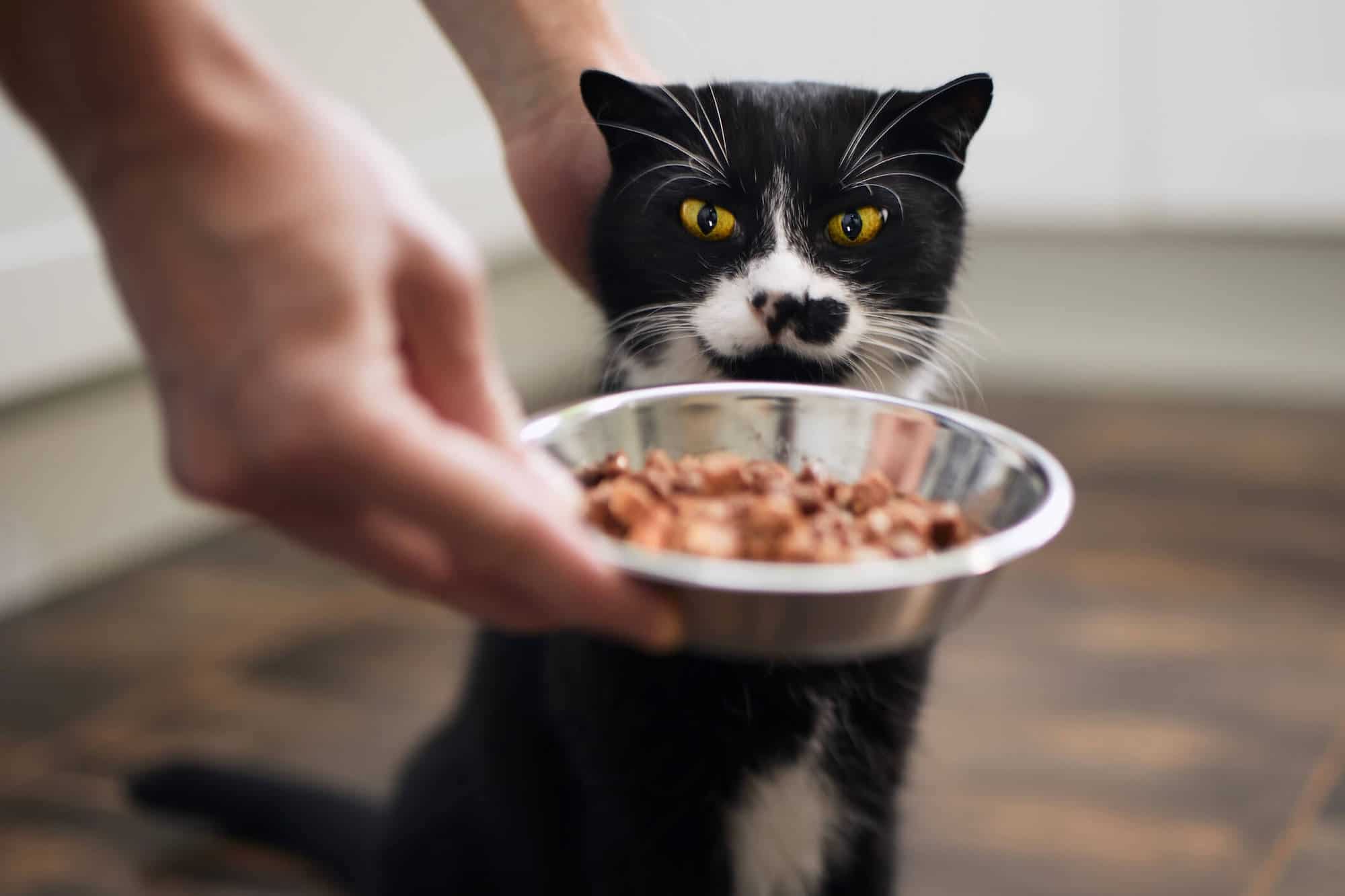

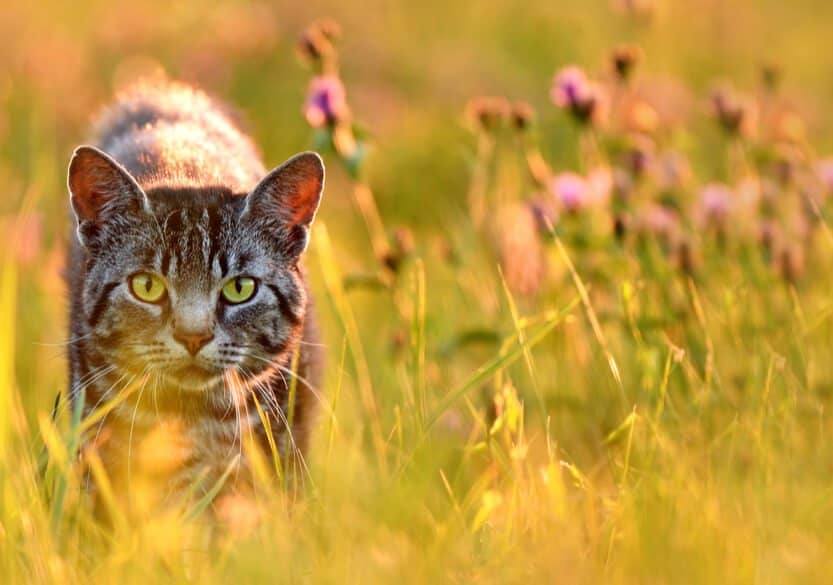
As obligate carnivores, cats thrive on a meat-based diet. In fact, felines are both physically evolved and metabolically adapted for optimal health when eating animal-based proteins. Here’s what every cat owner should know about what makes cats obligate carnivores, how this affects their biology and nutritional needs, and more.
What is an Obligate Carnivore?
There are three distinct groups of eaters in the animal kingdom: carnivores, herbivores and omnivores. Carnivores thrive on meat-based diets, herbivores on plant-based diets and omnivores on both meat and plants.
An obligate carnivore is one that depends entirely on meat because their diet requires nutrients that are only found in animal flesh. According to Dr. Luqman writing for The Vet Desk, “...all cats are obligate carnivores, which means they require nutrients that are only found in other animals (in their flesh, fat, and other body parts). If cats do not get enough animal meat in their diet, due to their biology, they can get sick” (Luqman, 2025).
Why Are Cats Obligate Carnivores?
All felines are obligate carnivores, whether it’s a domesticated house cat or a wild mountain lion. Throughout their entire evolutionary history, cats have been obligate carnivores, making their need for meat a biological necessity and an ancestral trait.
Biological Features of Obligate Carnivores
The anatomic and physiologic adaptations of a cat include unique characteristics that make it easier to eat a meat-based diet.
Generally thought of as hunters, cats have evolved by eating raw prey immediately after it has been hunted. A cat’s digestive tract is short compared to other types of eaters, and it is designed to digest protein and fat quickly.
The necessity of eating meat, which may involve hunting live prey, makes sharp teeth and claws a common adaptation of obligate carnivores. Cats have four front canine teeth that help them grip and bite into flesh, and their strong jaw is extremely helpful to facilitate ripping the meat from prey’s bone and to aid in shredding the meal.
Cats’ ears and eyes are also designed to make it easier to hunt, according to Cat-World. Their forward-facing ears are made up of 20 different muscles that can detect and locate the sounds of prey. Their eyes contain many rod cells in the retina, which makes it easy for them to see in very low light.
Nutritional Needs for Cats
Unlike humans and many other animals, cats can get adequate energy from protein and fat and have no minimum requirement for carbohydrates. Cats, however, do have a minimum glucose requirement, primarily to supply energy to the brain with glucose being derived from carbohydrates.
Fat and protein provide cats with much more than energy. Fats facilitate the absorption of fat soluble nutrients while protein is truly the building material of a cat’s new body tissue.
While proteins can come from plant matter, animal sources are best for the completeness of their amino acid profiles. Amino acids allow proteins to be used by the animal in growth and regeneration. There are essential amino acids that a cat must get from what they eat, and non-essential amino acids that a cat's body can synthesize.
Of course, as with all living things, water is the most important nutrient for cats. Fresh and clean water should be available at all times because dehydration can cause countless health problems and even death.
Can My Cat be Vegan?
Because cats are obligate carnivores, feeding a vegan diet requires careful formulation and supplementation. While quite trendy of late, as RAWZ’s recent blog, “High Protein Cat Food: Trend or Necessity?”, explores why a diet built on meat provided protein is optimal!
FAQs
Q: What is the difference between a carnivore and an obligate carnivore?
A: A carnivore is an animal that thrives on a meat-based diet, while an obligate carnivore requires a meat-based diet in order to survive. Carnivores may eat other sources of nutrients, such as plants and fungi. Obligate carnivores are unable to get the nutrients they need from plants and fungi.
Q: Should I feed my cat a raw diet?
A: Raw food diets can provide more efficient amounts of protein than processed diets, but switching a cat to a raw diet should be done carefully and methodically. If not prepared correctly, bacteria like Salmonella and E.coli can make both the humans and pets in the house very sick.
RAWZ’s high-protein, minimally processed food is designed to feed the obligate carnivore in your cat. Browse our meat-focused dry and gum-free wet food options for cats here.