
In our discussions here on The RAWZ Blog we like to be informative about things related to our cause and pet health. Of course, what we really hope to do is provide the RAWZ family with information that they’re looking for and will find interesting. While we’ve touched on the Ragdoll cat breed in two prior posts (The 10 Most Popular Breeds of Cats and The Best Cat Breeds for Your Household), their growing popularity shows that a deep dive is warranted! So without further ado, let’s look at this blue-eyed, luxurious coated feline who’s been popular for decades.
History
The genesis of the popular Ragdolls began six decades ago with Ann Baker, a Riverside, California Persian cat breeder. In the mid-1960s, Baker reported that a somewhat wild, white Angora-type cat named Josephine, who was recovering from a car accident, birthed kittens with inordinately even-tempered personalities. This litter of kittens, labeled as "floppy" and innocent, marked the beginnings of the Ragdoll breed.
Personality
Just as their name may hint, Ragdolls are very friendly and social felines. These frequent lap dwellers are known to go limp when pet, hence the name “Ragdoll.” Despite their large size, they are truly gentle giants. Having easy-going personalities and temperaments, Ragdolls tend to befriend most humans and do well with children and other household pets.
Size and Coat
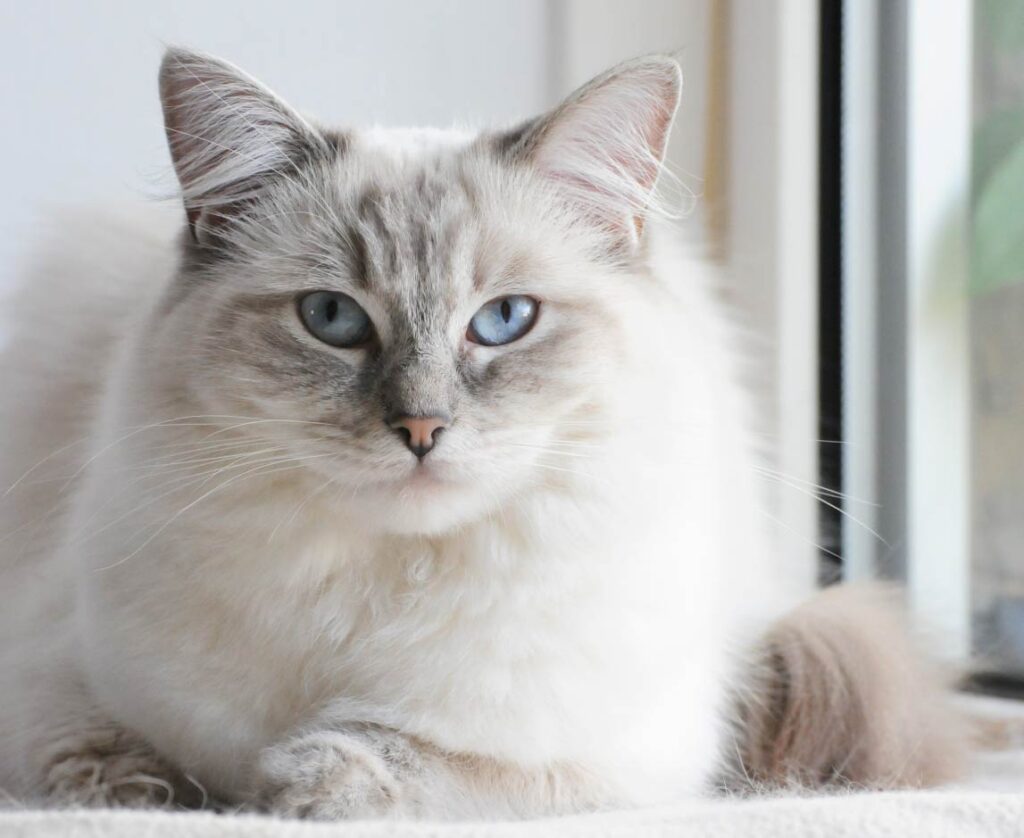
This large cat breed typically reaches its full size of around 15-20lbs and up to 40 inches in length at about 4 years of age. Ragdoll’s have a silky, medium-length coat and not much of an undercoat which will reduce shedding. However, Ragdolls are not hypoallergenic and will benefit from twice weekly brushing to reduce tangles. Ragdolls display a variety of coat patterns with chocolate, red, seal, blue, lilac, and cream being common colors. A commonality among the beautiful Ragdolls is their colorpoint gene, meaning their bodies are always lighter in color than their head, legs, and tail.
Health Concerns
Like most cats, obesity and diabetes can occur in Ragdolls. In addition to regular check-ups and hygiene, Ragdolls are much more prone to two specific diseases:
Hypertrophic Cardiomyopathy (HCM) - Representing the most common heart disease in cats, HCM is one of the most prominent health concerns in Ragdolls. Hypertrophic Cardiomyopathy is a thickening of the heart muscle, which reduces cardio efficiency and raises the risk of blood clots, heart failure, or sudden death.
Polycystic Kidney Disease (PKD) - An inherited condition where fluid filled cysts progressively form in the kidneys. The reduced kidney function over time increases the risk of kidney failure in aging cats. Fortunately, genetic testing showing both parents are PKD negative eliminates the chance of a kitten carrying the gene. Appearing more as cats age, symptoms of PKD to look out for are increased thirst and urination, weight loss, poor appetite, vomiting, and lethargy.
A Couple of Fun Facts
All Ragdolls are Blue-Eyed Beauties!
Ragdolls certainly have an exquisite and distinctive look, a strong feature of which is their beautiful blue eyes. Pure white cats with blue eyes are sometimes born deaf, but fortunately for the Ragdoll, their blue eye color comes from a different gene that doesn’t diminish Ragdoll’s hearing!
Ragdolls are True Swifties!
Passionate, devoted Taylor Swift fans are commonly called Swifties, which begs the question of whether the singing sensation’s cat is one? It just so happens that Taylor Swift is a cat lover who decided she wanted a Ragdoll, and although we can’t say whether or not he’s a Swiftie, Benjamin Button made his first public debut in Swift’s music video for “ME!”.