
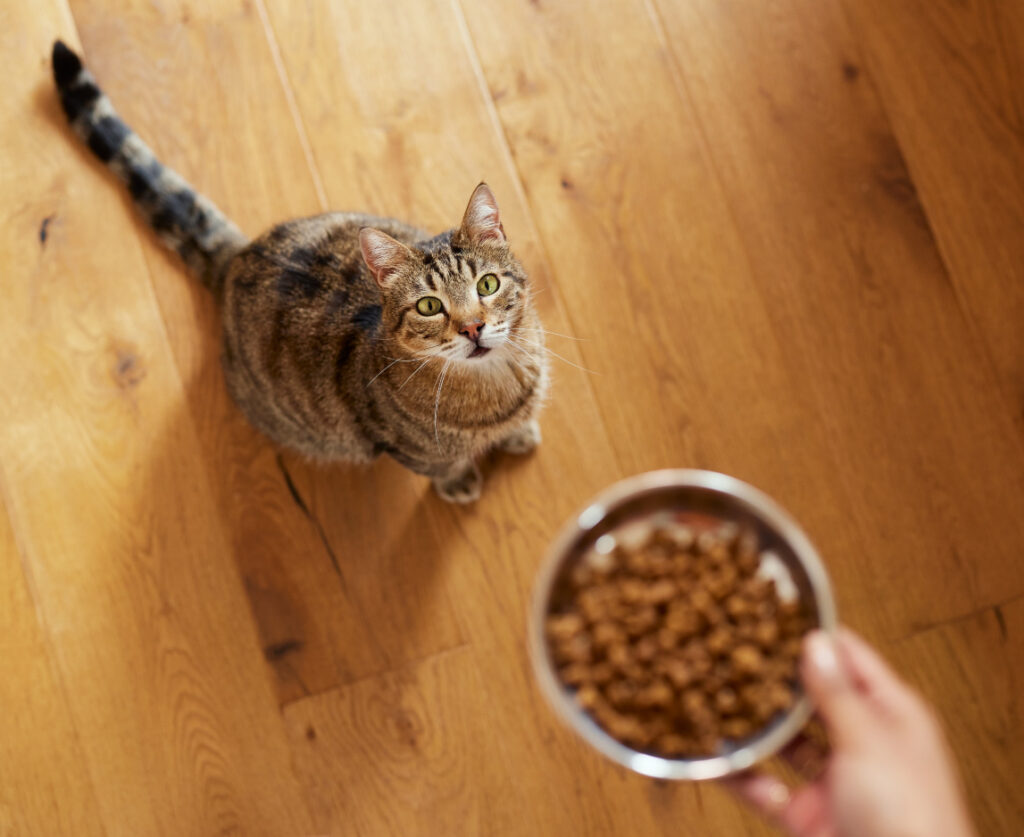
Trends in nutritional product offerings for pets can seem as variable as the weather here in New England. With so much fluctuation, it can be hard to tell whether the popularity of certain recipes in the pet food space reflects a passing trend or is a true necessity for pet health. One topic that continues to spark debate is high-protein cat food. So, let’s take a closer look at why protein is important for cats, whether the type and quality of protein matter, and whether there can be too much of it.
Importance of Protein for Cats
It may seem obvious that protein is a vital macronutrient to the health of our feline companions, but let’s look at some of the reasons why:
Energy - Unlike humans, cats, who are obligate carnivores, rely on protein rather than carbohydrates as a primary energy source.
Muscle and Tissue Maintenance - High protein supports the maintenance of lean body mass (muscle) and promotes the repair of fur, skin, and claws.
Essential Amino Acids - Although cats require multiple essential amino acids for healthy biological function, all these aminos can’t be produced internally. Some must be obtained from animal proteins, like taurine.
Immune System Support - A crucial component in enzyme production, protein contributes to a full-bodied immune system to protect against disease.
Assessing Dietary Protein
We’ve established that protein is essential to a healthy cat, so what factors should be considered when selecting the type of proteins we serve in our pet’s diets?
Plant vs. Animal Sources
Many human dietary trends find their way into pet nutrition, including approaches like feeding a vegan diet to a cat. For our obligate carnivore companions, this can be problematic. As mentioned previously, cats need multiple essential amino acids for healthy living, some of which can only be obtained in animal sources like meat or milk. Cats fed a vegan diet would otherwise need to rely on supplementation to meet these nutritional requirements. This raises an important consideration: the quality and origin of protein matter, and not all sources offer the same nutritional value for a cat’s health.
Bioavailability or Efficiency
An additional factor to consider when assessing protein in a cat’s diet is the protein quality, or how efficiently the protein is turned into new tissue by the cat. One of the most common ways to evaluate this is through the Protein Efficiency Ratio (PER), which measures how much a given protein source contributes to tissue growth. Not all animal proteins are created equal, and heat processing can significantly alter a meat’s amino acid profile, so it’s important to prioritize high-quality, minimally processed protein sources to ensure your cat is getting the most nutritional benefit from their diet!
Too Much of a Good Thing?
When it comes to feeding your cat, more isn’t always better. Excess protein can place strain on the body and lead to conditions like proteinuria. Here’s some common symptoms to watch out for:
- Lethargy
- Decreased appetite or loss of appetite
- Vomiting
- Increased thirst
- Increased urination
- Lack of urine production
- Edema (swelling of the limbs)
- Ascites (fluid in the abdomen)
The Verdict
RAWZ: A Minimally Processed Foundation
Overall, protein is an important component of a feline's diet. When you prioritize both the quality and source of the protein you feed, you’re supporting your cat’s long-term health and well-being. Whether you’re exploring our 96% meat wet recipes, dry foods, or freeze-dried treats, your local RAWZ retailer is here to help you support a healthier, happier life for your cat through minimally processed nutrition!