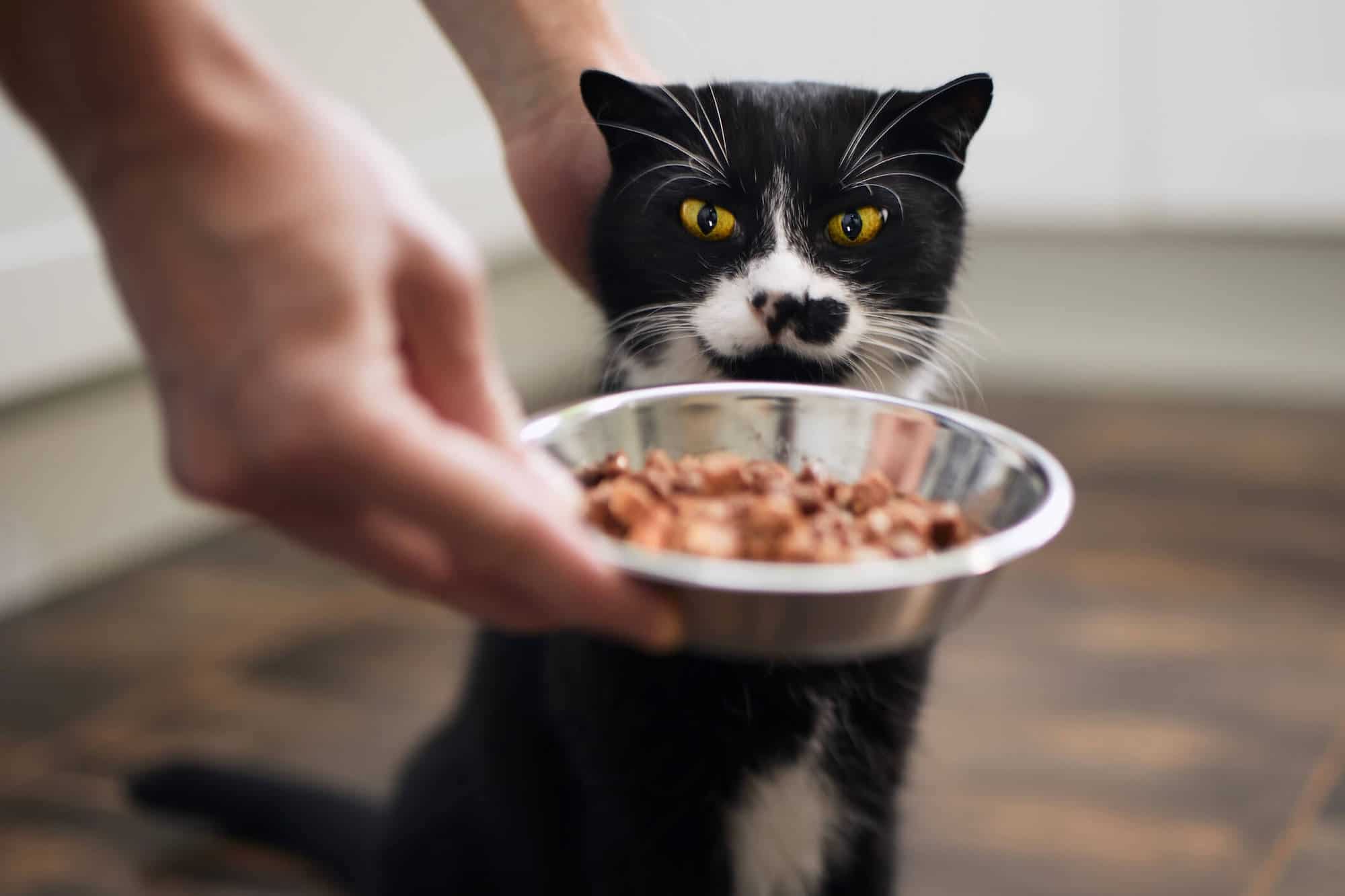


For us two-legged folk, they’re often called quirks or idiosyncrasies, but even we have to admit that these seemingly out-of-nowhere actions can seem plain strange! Today’s RAWZ blog will take a look at 10 strange cat behaviors exhibited by our feline companions and what they may mean or signify.
1. Knocking Things off Tables
Perhaps one of the most common behavioral issues recounted by feline parents is how their cat continuously knocks objects off tables or other resting places. Obviously this could result from unintended clumsiness, but the behavior is often rooted in boredom. While these occurrences can result in the annoyance of a mess needing cleaning, a cat’s human may actually be encouraging repeat performances. Cats, and some humans for that matter (particularly children), are unable to differentiate positive from negative attention.
2. Making Biscuits
In their comprehensive review of this common cat behavior, Catster does a deep dive on the many reasons why cats make biscuits. Whether they’re simply trying to make a bed or claim possession of something, the contentment felines feel from making biscuits is apparent! One of the more scientific explanations behind this action also notes that the behavior causes pheromone-secreting glands to fire, triggering olfactory memories of early bonding with the cat’s mother.
3. Zoomies
The zoomies, or FRAPs (Frenetic Random Activity Periods), are sudden bursts of movement seemingly out of nowhere. These spontaneous bursts are often prompted by one of four reasons: post litter box relief, natural instinct, environmental reasons, or simply a release of excess energy.
4. A Feline Pinball
As cats age, it is common for eyesight to deteriorate which can cause an occasional impact with surrounding walls or items. However, when these impacts happen suddenly and at younger life stages, underlying health issues may be to blame. There are many reasons why a cat’s vision can become worse, so getting regular vet check-ups can help catch these symptoms and start treatment sooner.
5. Head-butting or Eskimo Kisses
If you notice that you’re coming face to face or forehead to forehead with your cat quite often, don't think your feline is aggressive or merely head-butting you! Cats have pheromone-releasing glands on their foreheads and front faces. Pheromones serve as some of the primary forms of communication cats use to not only create a bond, but also to display affection and security. After all, who among us doesn’t feel loved and secure when face to face with someone we care about?
6. An Obsession with Faucets
Since cats often have a low thirst drive, any time we see our feline friend eager to hydrate is welcome. Often cats will be drawn to dripping faucets which may seem odd when a bowl of clean drinking water is simultaneously ignored. However, this seemingly odd behavior is evolutionarily driven by modern domesticated cats’ wild feline heritage. Wild cats saw standing water as possible sites for parasites and bacteria and sought running water as a safer alternative.
7. Using Electronics as Beds
Despite being covered in fur, cats still like to cuddle up in a warm resting spot. Cats can often be seen sunning themselves through a window or sliding glass door. Our intelligent feline companions have also discovered electronic devices like a laptop make wonderful heated sleeping pads!
8. Gift Giving
As us two-legged folk understand, gift giving is a way of showing love and care towards one another. While a cat’s presentation of a gift to us can purely be an expression of affection, when it is prey from the environment, trouble can arise in addition to fright! The American Bird Conservancy reports that cats kill 2.4 billion birds in the US annually. While finding the occasional bird carcass can be startling, the real risk comes from possible introduction of disease from the prey to both you and your animal. The dead animal should be disposed of in a sanitary manner. If the “gift” is still alive, it may be best to consult your local wildlife disposal organization (often animal control). Regardless, be sure to monitor your cat for things such as GI symptoms (diarrhea or changes in appetite), movement problems, convulsions, or respiratory issues which often require veterinary attention.
9. Bathroom Accidents
A common sign of distress or a health concern can be when a litter box-trained cat begins going to the bathroom outside the box, literally. While having to clean up after these accidents can be frustrating, such instances can signal underlying issues. The cat-savvy team at the Cornell Feline Health Center investigated this “House Soiling” behavior, offering two primary reasons. The first is difficulty getting to the box because of its location (usually due to a loss of mobility) or a negative emotional association with the box’s location, while the other is medical conditions impacting the urinary and/or defecation systems. Conditions such as kidney or thyroid disease, diabetes, or a UTI can cause sudden difficulty with a cat’s ability to appropriately relieve themselves.
10. Being Night Owls
Although cats frequently walk softly and can be rather invisible roommates, at times we’ll notice a roving or energetic feline in our midst late at night. This is because cats are crepuscular, meaning that they’re most active during the hours of dawn and dusk.
How RAWZ Fits In…
From knocking things off tables to midnight zoomies, cats certainly have a way of keeping us on our toes! While many of these strange behaviors are simply part of what makes cats unique, changes in behavior can sometimes signal that something is wrong. Paying attention to your cat’s habits, along with providing proper nutrition and regular veterinary care, can help support their overall health and well-being.
At RAWZ, our “When Only the Best Will Do” approach guides everything we do because we believe cats deserve the best possible care throughout every stage of life. If you’d like to join us in improving the lives of cats and people with our amazing RAWZ Fund partners, visit our Where to Buy page to locate a trusted retail partner near you!