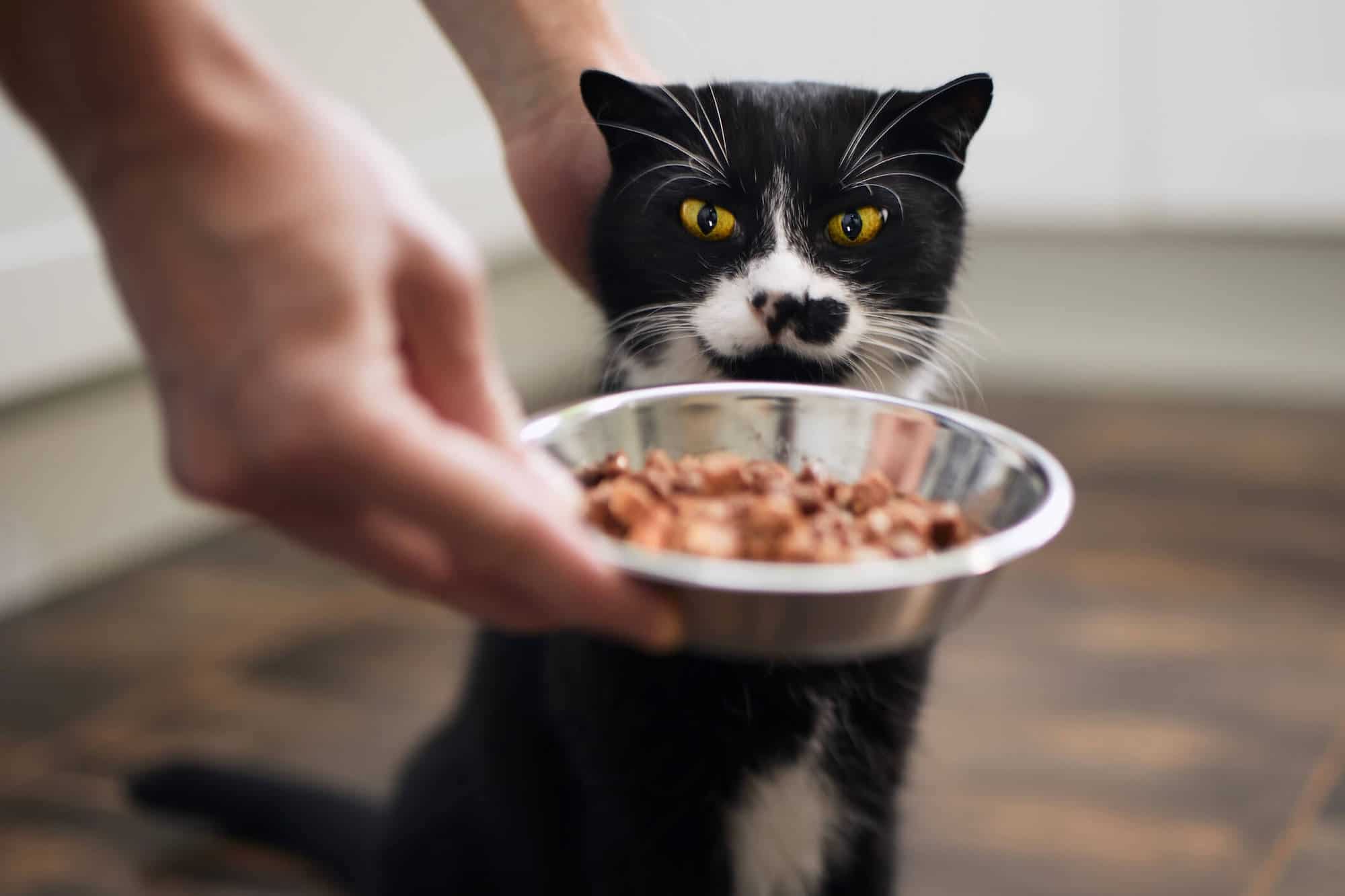


Welcoming a kitten into your home is incredibly exciting! But along with the excitement of a new feline companion, comes some questions about kitten nutrition and the optimal way to feed a kitten. Fortunately our discussion today will focus on feeding your precious young feline, including an instructive feeding chart with information on how much to feed based on age and weight, as well as a feeding schedule!
What Should a Kitten Eat?
Kittens are typically weaned off of their mother’s milk at around four to six weeks of age. By eight weeks, pet owners step in to provide dietary support. During that time it’s important to prioritize the following:
Immune Function
When it comes to strengthening your kitten’s young immune system, owners want to choose a pet food that recognizes the relevant life stage. For dogs and cats that includes: gestation/lactation, growth (kittens and puppies) and maintenance.
The Association of American Feed Control Officials also tells pet owners that they should know the difference between a complete and balanced diet, phrases that appear often on pet food packaging. “Complete” means that the product contains all of the required nutrients, while “balanced” means nutrients are present in the correct ratios.
Optimal Growth
Proper proportions of fat, protein and calcium are key. Fat is a concentrated source of energy vital for neuro development, protein provides the building blocks for new tissue growth (particularly muscle) and calcium ensures proper skeletal growth and development.
Wet Food
With thirst drives that are typically lower than our canine companions, cats may need to get more moisture from their diets. RAWZ Kitten Pates are a great option since they’re rich in moisture to provide vital hydration and include protein-packed meat or fish as the first ingredient. Each recipe is 100% nutritionally complete and features flavors kittens love like Chicken & Tuna, Salmon & Tuna, Chicken & Chicken Liver and Beef & Beef Liver.
Dry Food
For a cat who voluntarily drinks adequate water and has strong, developed teeth, dry recipes offer a convenient and economical option. RAWZ’s 10+ Essentials recipes are designed for cats of all breeds and life stages, making it a good choice for pet owners that want to feed their kitten a high-protein diet! Each recipe includes 10 proteins to help build healthy tissue and 10 nutrient-rich superfoods to support overall wellness, combining to deliver 10 distinct health benefits.
How Much Should I Feed a Kitten?
While a kitten’s caloric needs will vary based on breed and activity level, the following chart provides a good starting point when feeding wet kitten food:
Kitten Feeding Chart
6–8 Weeks · about 2 lbs
Up to 5 Months · about 5 lbs
6 Months – 1 Year · about 10 lbs
*Amounts shown are 2.8 oz cans.
FEEDING GUIDELINES: Adjust the amount of food you serve based on the age, size and activity level of your cat. Food should be fed at room temperature. Promptly refrigerate the unused portion. Fresh water should be available at all times.
Feed 1 – 1 ½ cans per 1 – 2 pounds of body weight per day. Divide into 3 or more meals. Adjust as needed to maintain your kitten’s ideal weight and body condition.
FEEDING KITTENS DRY: Use up to two times the adult maintenance.
Please use the provided information as an initial recommendation only and adjust as needed based on age, size, activity level, breed and environment. Give your cat access to clean, cool, fresh water at all times.
How Often Should I Feed a Kitten?
The size of your kitten and their activity level will help determine how much is served during each meal. It is also wise to get input from a veterinarian that has examined your pet and knows its health history. Even though feeding your cat two meals per day is recommended for kittens 6 months or older, to ensure they receive proper nutrition that works with their smaller stomachs, kittens do best with three or four smaller daily meals for the first six months after weaning.
FAQS
Q: Should kittens take supplements?
A: This answer varies on a pet-by-pet basis. A food that is complete and balanced for the growth stage of your kitten will contain the required nutrients to support healthy development. However, if you believe that your pet is lacking a particular nutrient, it is best to consult a veterinarian to see if there are any supplements you should be providing.
Q: Can kittens eat human food?
A: For kittens, and cats in general for that matter, some human foods can be extremely dangerous. Raw potatoes and tomatoes, although not toxic when cooked, are known to cause gastrointestinal issues in felines of any age. Canned tuna, when consumed in large amounts, can cause mercury poisoning. And while its toxicity to cats is unclear, feeding grapes and raisins to kittens in particular can lead to kidney failure.
Q: Why isn’t my kitten eating?
A: A kitten could be ignoring its food simply because of fussiness or something more serious. Try changing the location of the food bowl or switching food brands, but keep a close eye on the situation. While adult cats can go several days without eating with little risk, the inherent need for nutrition during growth means any kitten who stops eating for 24 hours should be seen by a veterinarian.
Q: When can I switch my kitten to adult food?
A: Timelines can be different for every kitten, but a good measure is to stick with kitten food for the first year of a feline’s life. When it’s time to transition to an adult recipe, a 5- to 7-day transition period generally works best.
RAWZ: When Only the Best Will Do for Your Kitten!
With all of this information in mind, you’re already making an effort to prioritize your kitten’s well-being. As you explore which option works best for your family, keep in mind that RAWZ is minimally processed with 100% of our profits going to improving lives, providing only the highest quality nutrition for our animal companions.
Find one of our independent retail partners near you!