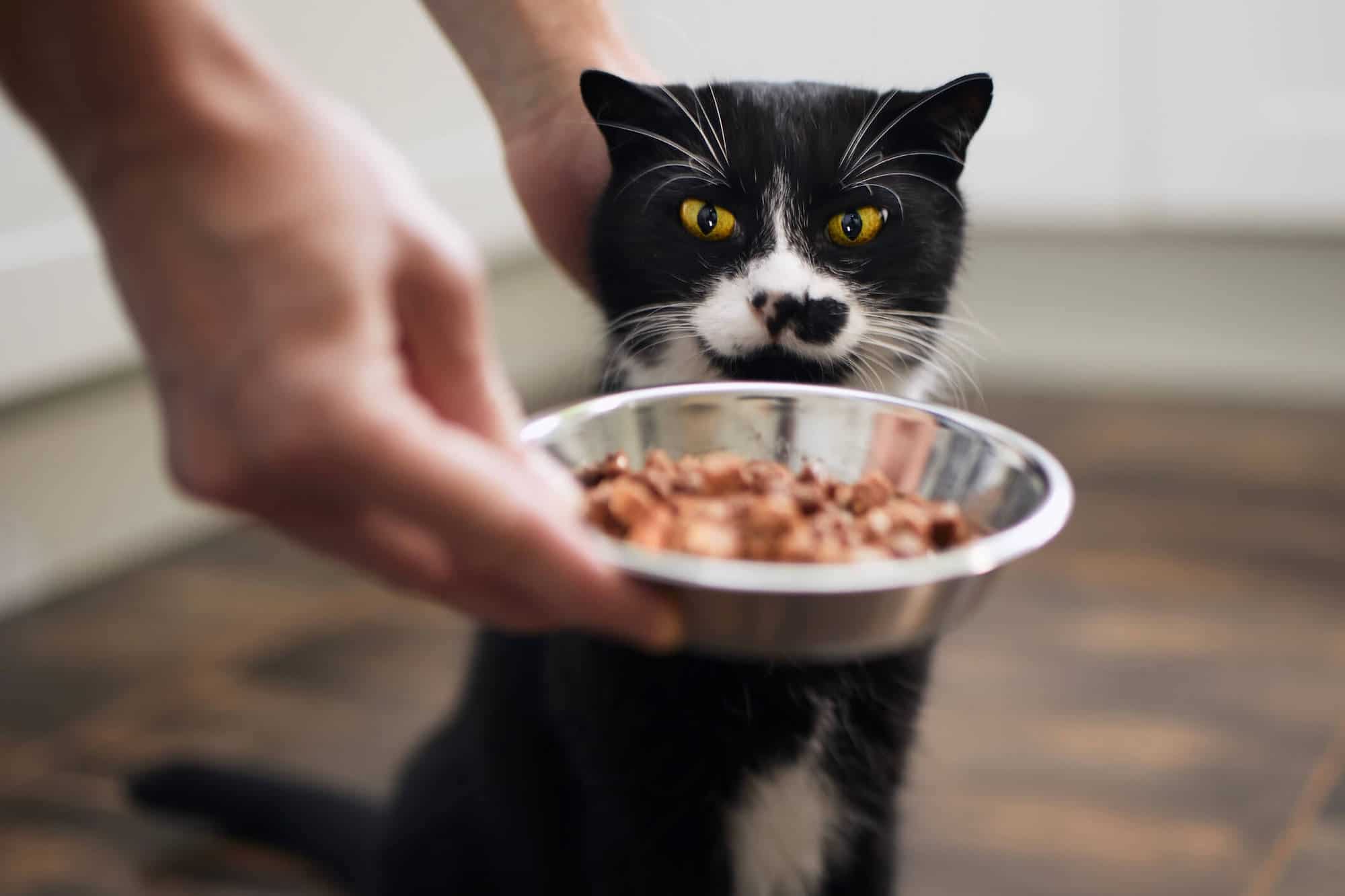


Whether from Si and Am’s memorable appearance on screen in Disney’s Lady and the Tramp or their reputation as one of the world’s most recognizable cat breeds, Siamese cats have left their mark on pop culture. Let’s take a closer look at these intriguing felines’ history, characteristics, and their needs for a healthy life in RAWZ’s latest cat breed spotlight!
Siamese History & Origins
Perhaps one of the most recognizable cat breeds, the Siamese have a rather regal history! Originating in Siam (now Thailand), these felines were greatly valued by the ruling class and esteemed as aesthetically pleasing and graceful. In fact, historical texts like the Tamra Maew dating back to the 14th to 18th centuries contain descriptions and illustrations of the beautiful Siamese.
Appearance
A Siamese’s striking beauty starts with their almond-shaped, distinctive blue eyes serving as a pathway to this sleek bi-colored feline’s affectionate soul. Generally having a lighter base in color abruptly blending to a darker face, ears, paws, and tail, a Siamese’s unique coloring can be linked to their Himalayan gene. Interestingly, the gene is temperature reactive, with kittens displaying a lighter color due to the warmth of the mother’s womb. Unfortunately, this gene also leaves Siamese more susceptible to vision challenges.
While this fantastic breed of feline is best known for their stunning appearance, let’s take a closer look at the other traits and needs of the Siamese…
Temperament
The loving and compassionate Siamese thrives with attention and can even become quite vocal with near-constant communication with their human companions. Early, supervised introduction to other pets can help them build positive relationships and reduce stress around unfamiliar animals. A highly intelligent breed, Siamese thrive on human interaction and do well with training using positive reinforcement to shape behavior. Their highly affectionate nature and sociability make Siamese great additions to loving homes.
Contrasting the Sexes
Perhaps the most apparent difference between male and female Siamese is that males typically have larger, more muscular builds. Notably, males’ heads are distinctly broader than their smaller and daintier counterparts. When it comes to personality, males tend to be more relaxed and affectionate, with females tending toward more assertive and independent behavior. Some females can be seen as aloof; however, females can be lovingly attached to humans and are less attention-seeking than males. Although having differences, both male and female Siamese can suffer from separation anxiety due to strong bonds with their humans.
Diet & Exercise
When it comes to diet, meeting AAFCO daily requirements for your feline’s given life stage is essential. While energy requirements will vary depending on variables like the Siamese’s age, weight, and activity level, an average of 200 to 300 calories a day is generally a good starting place. RAWZ’s nutritional philosophy focused on minimally processed recipes makes it a great option for nourishing this regal feline.
Although it can be tempting to think of a Siamese as a docile throne dweller, the breed is known for having elevated energy and being active with consistent daily activity needed for maintaining physical and mental health. Whether walking on a leash, some fun DIY toys, or even good old-fashioned chasing, around 30 minutes of daily activity is a healthy base.
FAQs
Q: What is a Siamese cat's size and lifespan?
A: Siamese cats typically stand 8-10 inches tall and weigh 6-12 pounds. With proper care, they can live between 14 and 20 years.
Q: Are Siamese cats prone to any health issues?
A: Despite their regal look and the possibility of assumed fragility, the Siamese is generally a healthy and sturdy breed. That being said, they still can be predisposed to conditions such as allergies, asthma, dental disease, kidney disease, respiratory issues, and amyloidosis.
Q: How should I groom my Siamese cat?
A: Siamese cats have short coats that require minimal grooming, with weekly brushing usually being enough to remove loose fur and keep their coat shiny. And of course, we can’t forget the Siamese’s Pedi! Regular nail trims and dental care are also important parts of their grooming routine.